
Nairn Museum
HeritageNairn Museum: A Harbour of Highland Heritage Since 1860
Stand at the edge of Nairn's harbour on a still morning and you can almost hear the town exhale its centuries. Gulls wheel above the Moray Firth, the salt air carries traces of fish smoke and heather, and just up the rise from the shoreline, a handsome Regency villa holds the collected memory of an entire community. This is Nairn Museum — one of the oldest independent museums in the Scottish Highlands — and for more than a century and a half it has been the quiet keeper of Nairnshire's stories.

A Doctor's Request, A Rattlesnake, and the Birth of a Museum
The story begins not with a grand civic proclamation but with a letter. In 1858, Dr John Grigor — a respected medical practitioner, former provost, and tireless campaigner who had helped establish Nairn as a fashionable health resort — wrote to the people of the town and its surroundings with a simple appeal: send me your artefacts. He wanted to build something lasting, a place where the community's past could be gathered, preserved, and understood.
The very first donation was wonderfully unexpected. Miss Grant of Larkhall sent a rattlesnake. It was an oddity, certainly, but it set the tone for what Nairn Museum would become — a place shaped not by top-down curation but by the curiosity and generosity of ordinary people with extraordinary connections. Soon, items arrived from across the globe: a Canadian canoe, Peruvian pottery, military medals, domestic heirlooms. By 1860, the collection had grown substantial enough to warrant a formal museum, established in premises on Nairn's High Street.
Viewfield House: A Building with its Own Story
The museum's home is itself a piece of Highland history. Viewfield House was built in 1803 by Colonel Ludovic Grant, a graceful Regency villa standing on rising ground within sight of both the town centre and the sea. After the council acquired the building in 1948, the museum gradually migrated into its first-floor rooms, settling permanently by 1985. It is the kind of building that feels right for the purpose — solid and dignified, with tall windows that let the northern light fall across cases of fossils and faded regimental colours alike.


Five Rooms, Five Centuries of Life
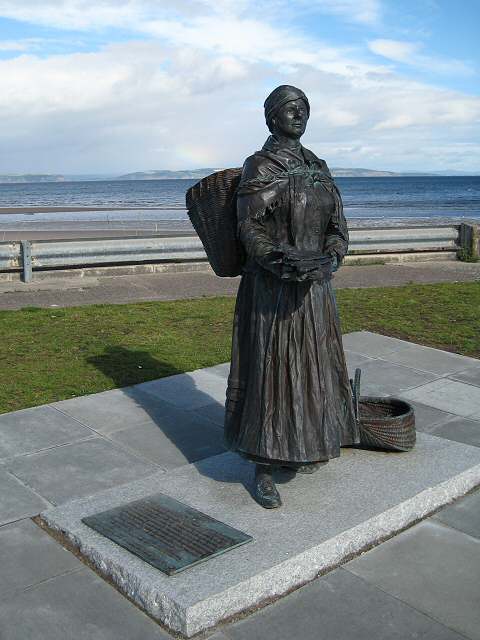
Today, Nairn Museum spreads across five permanent exhibition rooms, each one a window into a different facet of Nairnshire life. The Fishertown Room preserves the culture of Nairn's once-thriving fishing community — the nets, the boats, the domestic rhythms of families whose lives were governed by the tides. The Military Room holds medals, uniforms, and the personal effects of those who served, including a medal won at Waterloo. The Way of Life Room and Work and Play Room together paint a picture of Highland domestic and working life across centuries, from ancient axe-heads to a beautifully detailed Victorian dolls' house. And the Burgh Room tells the civic story — the provosts, the trade, the slow evolution of a small Scottish town.

The museum also houses a collection of fossils considered to be of national significance, along with archive facilities and a Family History Room where visitors can trace their Nairnshire roots. It is a reminder that a museum this size can punch well above its weight when its collection has been built, donation by donation, over more than 160 years.
A Volunteer-Powered Institution Looking Forward
What makes Nairn Museum remarkable is not just what it holds but who keeps it alive. Run by a small dedicated team and a corps of volunteers, it operates with the kind of resourcefulness that characterises the best community museums. Board member Marilyn Robertson has noted that "the attic stores are packed with wonders" — and a recent £100,000 award from the Esmée Fairbairn Communities and Collections Fund is helping to bring those hidden stories to light.


That funded project explores how travel — both inward migration and Highland diaspora — has shaped coastal identity and influenced the wider world, drawing on the maritime and Fishertown holdings alongside materials connected to Scotland's colonial history. It includes a podcast collaboration with Dr Nour Halabi of the University of Aberdeen, tracing the threads between historic Highland migration and contemporary global movement. Under curator Annie MacDonald's stewardship, the museum is proving that heritage institutions rooted in place can speak to universal themes.
Visiting Nairn Museum
Nairn Museum reopened on 31 March 2025 following essential building maintenance, and welcomes visitors Monday to Friday, 10am to 4:30pm. It sits in the heart of Nairn, a short walk from the harbour and beach — a town that rewards slow exploration.
This article was partly inspired by old photographs and recordings that came to light when someone brought their personal memories to be digitised. It made us wonder what else is out there — in attics, shoeboxes, old cupboards — connected to Nairn Museum and the fishing families, soldiers, and townspeople it commemorates. If anyone holds old media connected to this organisation, services like EachMoment can help preserve them for future generations.